Health Benefits of Herbal Tea: What the Research Says
Herbal teas have been drunk for thousands of years, long before anyone ran a clinical trial on them. The modern research is catching up, and some of it is genuinely encouraging. But the health-tea industry also makes claims that outstrip the evidence by a mile. This article sticks to what peer-reviewed research has found for four of the most popular herbal teas: chamomile, peppermint, ginger, and rooibos.
Chamomile (Matricaria chamomilla)
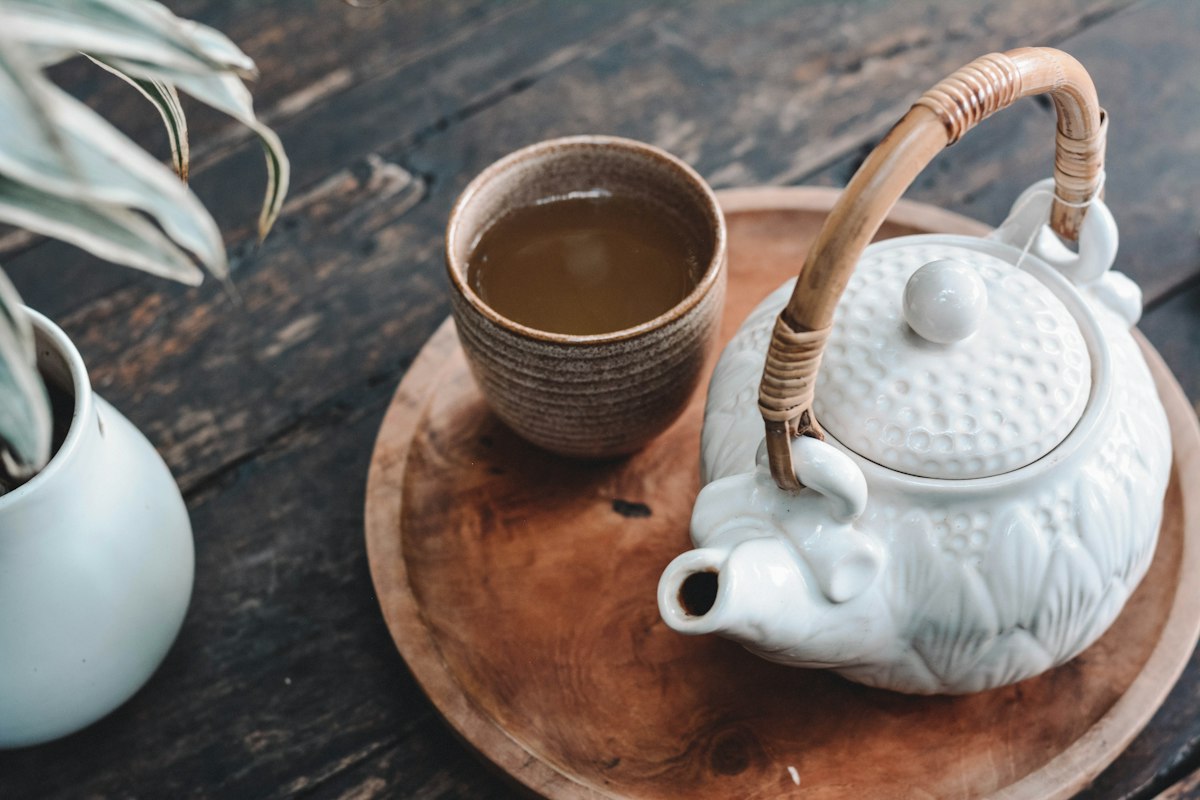
Chamomile is probably the most-studied herbal tea. The dried flowers are brewed as an infusion, and the resulting yellow-gold cup has a mild, slightly apple-like flavour. Most commercially available chamomile is German chamomile (Matricaria chamomilla), though Roman chamomile (Chamaemelum nobile) is also used.
What the evidence supports
- Sleep quality: A 2019 meta-analysis in Phytotherapy Research found that chamomile supplementation (including tea form) significantly improved sleep quality in adults, measured by the Pittsburgh Sleep Quality Index. The effect was modest but consistent across studies.
- Mild anxiety: A randomised controlled trial published in the Journal of Clinical Psychopharmacology (2009) found chamomile extract reduced GAD (Generalised Anxiety Disorder) symptoms more than placebo. The tea form delivers lower concentrations than the extract used in the study, so the effect from a cup of tea is likely smaller.
- Digestive comfort: Traditional use for stomach cramps and mild nausea has some backing from in-vitro and animal studies showing anti-spasmodic properties, though human clinical trials specifically on chamomile tea for digestion are limited.
What gets overstated
Claims that chamomile tea "boosts the immune system" or "prevents cancer" are not supported by current evidence. Some in-vitro studies show anti-inflammatory and antioxidant activity in chamomile compounds, but drinking a cup of tea and treating isolated cells in a lab are very different things.
Peppermint (Mentha x piperita)
Peppermint tea is one of the more pleasant herbal infusions to drink. The menthol content gives it a cooling sensation and a sharp, clean taste. It brews quickly and tolerates long steeping better than most teas.
What the evidence supports
- IBS symptoms: Peppermint oil capsules are one of the better-studied natural interventions for irritable bowel syndrome. A 2014 meta-analysis in the Journal of Clinical Gastroenterology found them significantly better than placebo for reducing abdominal pain. Peppermint tea contains the same active compounds (menthol, menthone) in lower concentrations, so some benefit is plausible but less proven in tea form.
- Tension headaches: Topical peppermint oil applied to the temples has shown headache-relief properties comparable to paracetamol in one German study. The connection to drinking peppermint tea is indirect, but many headache sufferers report subjective relief.
- Nasal congestion: The menthol in peppermint creates a sensation of improved airflow in the nasal passages. This is a perceptual effect rather than a decongestant one, but it is real and measurable.
Worth noting
Peppermint can worsen acid reflux in some people. The same relaxant effect it has on intestinal smooth muscle also relaxes the lower oesophageal sphincter, which can allow stomach acid to travel upward. If you have GERD or frequent heartburn, peppermint tea might not be ideal.
Ginger (Zingiber officinale)
Ginger tea is made either from fresh root sliced into hot water or from dried, ground ginger. The fresh version is sharper and more pungent; the dried version is warmer and spicier. Both contain the bioactive compounds gingerols and shogaols.
What the evidence supports
- Nausea and vomiting: This is ginger's strongest area of evidence. Multiple systematic reviews (including a 2018 Cochrane review) have found ginger effective for pregnancy-related nausea and chemotherapy-induced nausea. The doses used in studies (typically 1-1.5g of dried ginger per day) are achievable through strong ginger tea.
- Anti-inflammatory markers: A 2020 systematic review in Food Science & Nutrition found that ginger supplementation significantly reduced C-reactive protein and TNF-alpha levels. These are markers of systemic inflammation, and the reductions were observed at doses of 1-3g per day.
- Muscle soreness: A University of Georgia study found that consuming 2g of ginger daily reduced exercise-induced muscle pain by 25%. Not a huge effect, but statistically significant and practically meaningful for active people.
Limitations
Ginger can interact with blood-thinning medications (warfarin, aspirin) by having a mild antiplatelet effect. Anyone on blood thinners should check with their GP before drinking strong ginger tea daily. The quantities in an occasional cup are unlikely to cause problems, but daily therapeutic doses might.
Rooibos (Aspalathus linearis)
Rooibos is a South African bush tea, naturally caffeine-free, with a slightly sweet, nutty flavour. It's become popular in the UK over the last decade as a caffeine-free alternative to black tea, and it takes milk reasonably well.

What the evidence supports
- Antioxidant content: Rooibos contains aspalathin and nothofagin, two antioxidants not found in other teas. In-vitro studies show strong free-radical scavenging activity. Whether this translates to meaningful health outcomes in humans is still being studied.
- Bone health: A 2010 study in the Journal of Biochemistry and Molecular Biology found that rooibos polyphenols promoted osteoblast activity (bone-building cells) in a laboratory setting. Human studies have not yet confirmed this.
- Heart health markers: A small South African clinical trial (2011) found that drinking six cups of rooibos daily for six weeks improved the LDL/HDL cholesterol ratio and reduced triglycerides in adults at risk of cardiovascular disease.
The honest picture
Rooibos is the least-studied of the four teas in this article. Much of the research is from South African institutions with small sample sizes. The tea is certainly not harmful (it's caffeine-free, low in tannins, and has no known drug interactions), but the health claims are ahead of the evidence at this point.
A few general points about herbal tea and health
Herbal teas are not medicines. They contain bioactive compounds in much lower concentrations than pharmaceutical preparations or even standardised supplements. Drinking a cup of chamomile before bed is a pleasant ritual that may help you sleep marginally better. It is not a treatment for insomnia.
The ritual itself has value. The act of making tea, sitting down, drinking something warm without caffeine in the evening, and pausing for ten minutes has measurable stress-reduction effects that have nothing to do with the specific herb in the cup.
If you're taking medication, check with a pharmacist before adding large daily quantities of any herbal tea. Most are harmless at normal consumption levels, but a few (ginger with blood thinners, peppermint with reflux medications, St John's Wort with almost everything) have real interactions.
We sell herbal tea because we think it tastes good and the ritual of drinking it is worth something. The health benefits are a bonus, not the reason.